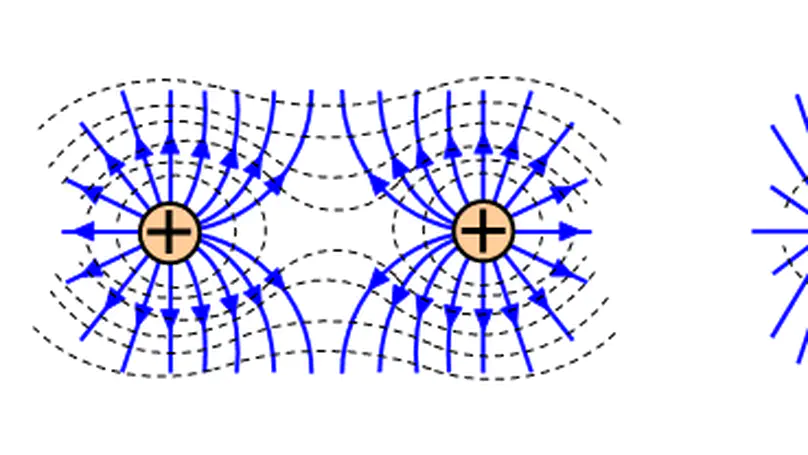
Example 3.2 from Griffith’s Electrodynamics text is an interesting application of the method of images in electrostatics. The problem is as follows: Suppose we have a conducting sphere of radius $ R $ and a point charge $ q $ located at a distance $ a $ from the center of the sphere, where $ a > R $ as shown below.

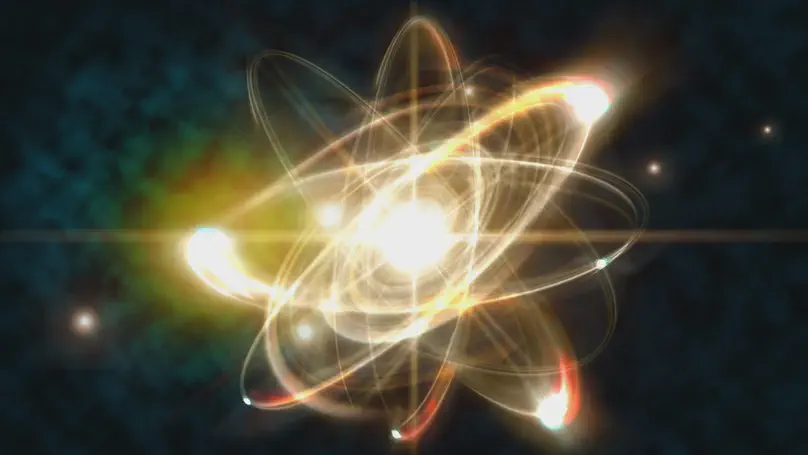
The history of atomic theory is commonly taught as an example of the self-correcting nature of science. I wanted to extend the standard list of models to get the full picture of how we came to understand matter at the most fundamental levels.

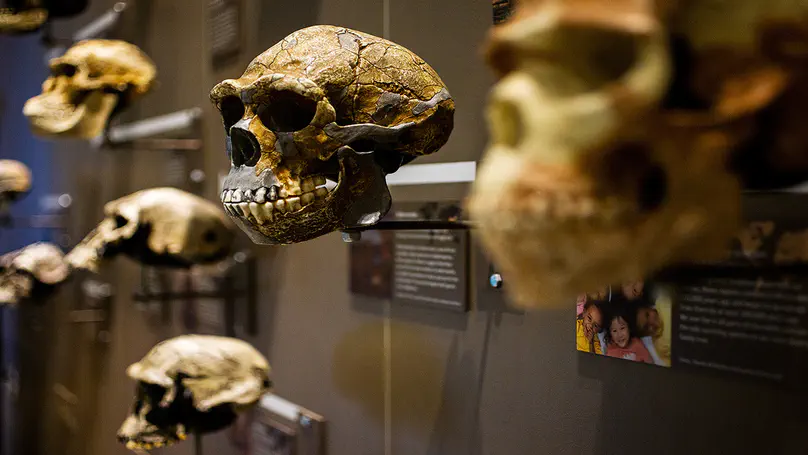
Once you’ve learned a certain amount of science, it’s often fun to turn over to the history of science and see how it all fits together in a historical context. You can often find a newfound sense of appreciation for the scientific process and how we came to learn so much despite the limited technology of the past.

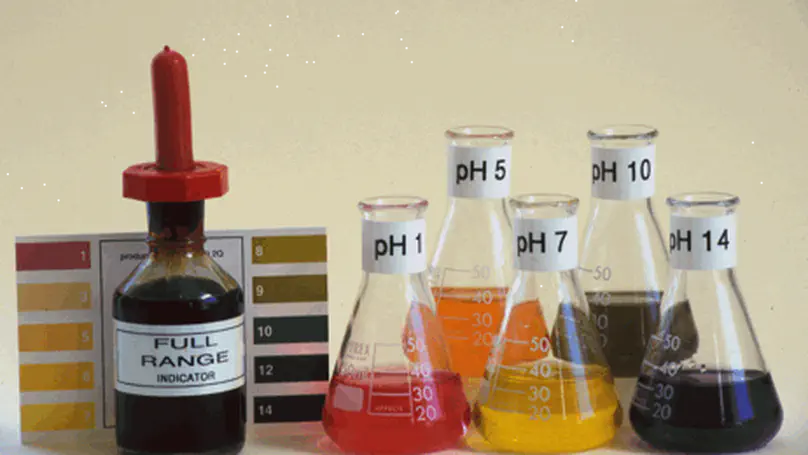
Calculation for a Strong Acid Let’s start with a classic school chemistry exercise to warm up: If we have a 0.1 M solution of sulfuric acid, what is its pH?

This post comes from a bit of wikipedia rabbit-hole-diving I did while brushing up on the theory of buckling in columnar structures for work. It started with some curious fun facts about the way trees grow and ended up revealing many interconnected threads that demonstrate the power of evolution.

A blog of my experiences as an exchange student at NUS, Singapore (and all the travelling too!) Flying Out - 31st July, 2022 I was headed to Manchester Airport at about 10 pm for my flight.